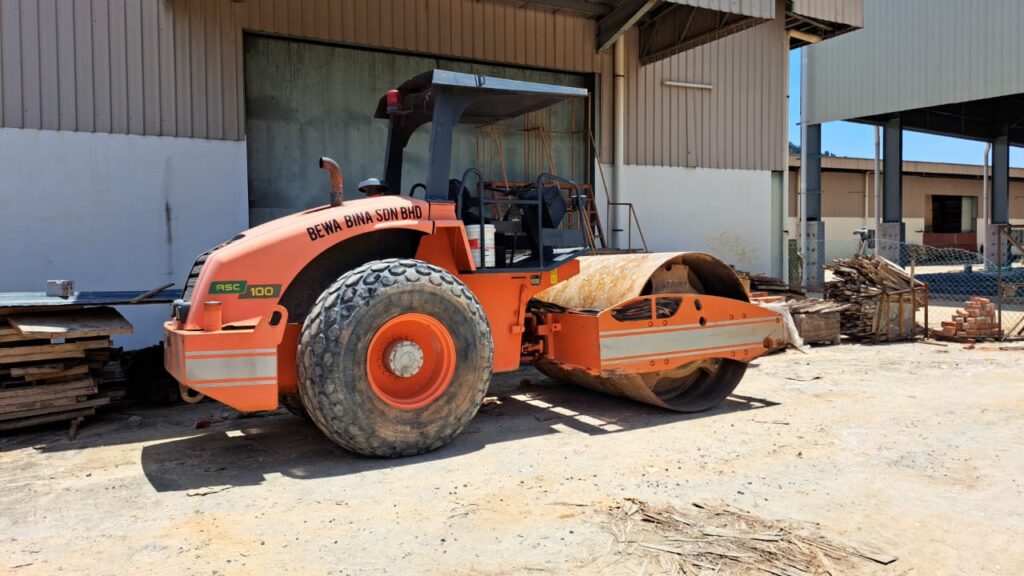
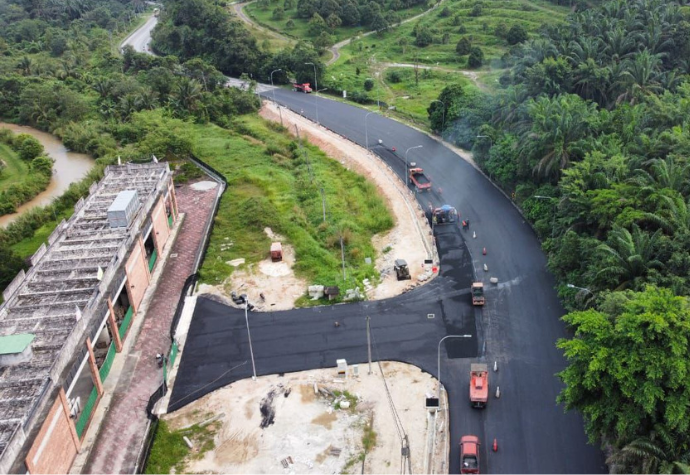
Many people assume that road construction is simply a matter of bringing in heavy machinery, laying asphalt, and opening the road to traffic. In reality, every road is designed to serve the public safely for decades. Whether it is an industrial access road, a residential development, or a public roadway, it must withstand thousands of vehicles every day, including heavy lorries carrying construction materials and goods. A road that is built too quickly without following proper engineering procedures is far more likely to develop problems such as cracks, potholes, uneven surfaces, and premature settlement. These issues not only increase maintenance costs but can also create safety hazards for motorists. This is why experienced contractors prioritise doing the job correctly rather than simply completing it as fast as possible. For companies like Bewa Bina, recognised as one of the leading road construction companies in Ipoh, Perak, delivering a durable road that lasts for many years is always more important than cutting corners to shorten the construction schedule.
Why Road Constructions Cannot Be Rushed?
- Every Road Project Begins Long Before Construction Starts
- Utility Relocation Is Often One of the Biggest Challenges
- Malaysia’s Weather Significantly Affects Construction Progress
- A Strong Road Starts Beneath The Asphalt
- Drainage Is Just As Important As The Road Surface
- Quality Control Happens Throughout The Entire Project
- Keeping Roads Open While Construction Continues Adds Complexity
- Unexpected Site Conditions Can Delay Construction
- Compliance With Malaysian Engineering Standards Takes Time
1. Every Road Project Begins Long Before Construction Starts
One of the biggest reasons road construction appears to take a long time is because much of the work happens before anyone sees excavators or road rollers on site. Planning and preparation are essential to ensure the project can be completed safely, efficiently, and according to engineering standards. Before construction begins, engineers carry out land surveys, assess existing site conditions, investigate the soil, and prepare detailed road designs. Depending on the project, approvals may also be required from local authorities, utility companies, project owners, or government agencies. Public infrastructure projects often involve multiple stakeholders, making the planning phase particularly important. Although this stage is largely invisible to the public, it lays the foundation for the entire project. Careful planning helps minimise costly changes during construction and reduces the risk of unexpected delays later on.
2. Utility Relocation Is Often One of the Biggest Challenges
Many Malaysian roads are built in developed areas where numerous underground services already exist. Beneath the road surface may be water mains, sewer pipes, electrical cables, fibre optic networks, and telecommunications infrastructure that serve surrounding homes and businesses. Before excavation can begin, contractors must identify the exact location of these utilities to avoid damaging essential services. If any utilities conflict with the new road design, they often need to be relocated by their respective service providers before construction can continue. This process is not entirely within the contractor’s control because different utility owners have their own schedules and technical requirements. As a result, utility relocation is frequently one of the most time-consuming stages of many road construction projects, particularly in busy urban areas.
3. Malaysia's Weather Significantly Affects Construction Progress
Malaysia’s tropical climate is another major reason why road construction cannot always proceed according to the original schedule. Heavy rainfall can occur unexpectedly throughout the year, while the northeast monsoon brings prolonged periods of wet weather to many parts of the country. Rain affects nearly every stage of road construction. Wet ground cannot be compacted effectively, making it difficult to achieve the stable foundation required for a long-lasting road. Asphalt paving is also highly weather-dependent, as laying asphalt on a wet surface can reduce bonding quality and shorten the lifespan of the pavement. Rather than risking poor workmanship, professional contractors will often suspend certain activities until site conditions become suitable again. Although this may appear to slow progress, it ultimately produces a stronger and more durable road.
4. A Strong Road Starts Beneath the Asphalt
When people drive past a construction site, they usually focus on the asphalt being laid on the surface. However, the asphalt is only the final layer of a much larger engineering system. Before paving begins, contractors must prepare the ground, construct the subgrade, install the sub-base and road base, and compact every layer to the required density. Each stage depends on the previous one being completed correctly, and quality checks are often carried out before work can continue. If any layer is rushed or poorly compacted, the problems may not become visible immediately. Instead, the road may begin to crack, sink, or develop potholes after months or years of use. Spending extra time during construction helps avoid expensive repairs in the future.
5. Drainage Is Just as Important as the Road Surface
In Malaysia, where heavy rainfall is common, a road is only as good as its drainage system. Water is one of the biggest causes of pavement deterioration because it weakens the underlying soil and reduces the strength of the road foundation. For this reason, contractors spend considerable time constructing side drains, culverts, kerbs, and other drainage structures before completing the pavement itself. These systems are designed to direct rainwater away from the road as quickly as possible, helping to protect the pavement from long-term water damage. Although drainage work is often less noticeable than asphalt paving, it is one of the most important investments in the longevity of a road.
6. Quality Control Happens Throughout the Entire Project
Road construction is not simply about completing each stage and moving on to the next. Throughout the project, engineers and site supervisors carry out inspections and quality testing to ensure the work meets the required specifications. Materials are checked before they are used, soil compaction is tested after earthworks, and asphalt is monitored during paving to ensure it is laid under suitable conditions. Measurements are also taken to verify pavement thickness, road levels, and overall construction quality. These inspections take time, but they help identify potential issues before they become much larger and more expensive problems after the road has been completed.
7. Keeping Roads Open While Construction Continues Adds Complexity
Many road construction projects in Malaysia take place on roads that remain open to the public throughout construction. Instead of closing the entire road, contractors often carry out the work in carefully planned stages to minimise disruption to motorists and nearby businesses. This means construction crews may only be able to work on one section at a time, with temporary traffic diversions, lane closures, or night-time working hours. Progress naturally becomes slower than if the road could simply be closed completely, but this approach helps maintain public access and improves safety for both workers and road users. Balancing construction efficiency with traffic management requires careful coordination and often extends the overall project duration.
8. Unexpected Site Conditions Can Delay Construction
Even with detailed planning and site investigations, contractors occasionally encounter unexpected conditions once excavation begins. Soft ground, hidden rock formations, undocumented underground utilities, or abandoned structures can all require changes to the original construction plan. When this happens, engineers may need to redesign certain sections of the road or introduce additional ground improvement measures before work can safely continue. Although these changes may delay the project, they help ensure the finished road remains structurally sound for many years rather than developing problems shortly after completion.
9. Compliance with Malaysian Engineering Standards Takes Time
Road construction in Malaysia is governed by established engineering specifications and technical standards to ensure roads are safe, durable, and suitable for their intended purpose. Depending on the project, contractors may need to comply with requirements set by Jabatan Kerja Raya (JKR), local authorities, project consultants, and utility providers. Meeting these standards is not simply a matter of paperwork. Contractors must demonstrate that the materials used, construction methods, pavement layers, drainage systems, and completed works satisfy the required specifications before progressing to the next stage. While this process adds time to construction, it helps ensure that roads perform reliably under Malaysia’s climate and traffic conditions.
Why Choosing an Experienced Road Construction Company Makes a Difference
Although some delays are unavoidable due to weather, utility coordination, or regulatory requirements, experienced contractors know how to minimise unnecessary setbacks through careful planning and efficient project management. This is where Bewa Bina stands apart. As one of the best road construction companies in Ipoh, Perak, Bewa Bina combines experienced engineers, skilled operators, modern machinery, and proven construction methods to deliver road projects efficiently without compromising quality. Every stage—from earthworks and drainage installation to asphalt paving and final finishing—is carefully managed to ensure the completed road meets engineering standards and delivers long-term performance. Choosing a contractor with the right expertise not only improves construction quality but also reduces the risk of costly repairs, delays, and maintenance issues in the future.