When potholes and cracks start appearing, repairing each damaged area may seem like the obvious solution. Sometimes it is. But when deterioration has spread across a larger section of pavement, repeatedly patching individual potholes can become a temporary fix rather than a long-term solution.
Choosing between pothole repair and road resurfacing depends on the extent of the damage, the condition of the underlying pavement and what is causing the road to deteriorate. For property owners, developers and facility managers in Ipoh and Perak, identifying the right solution early can prevent unnecessary repair costs and further pavement damage.
When Is Pothole Repair the Right Choice?
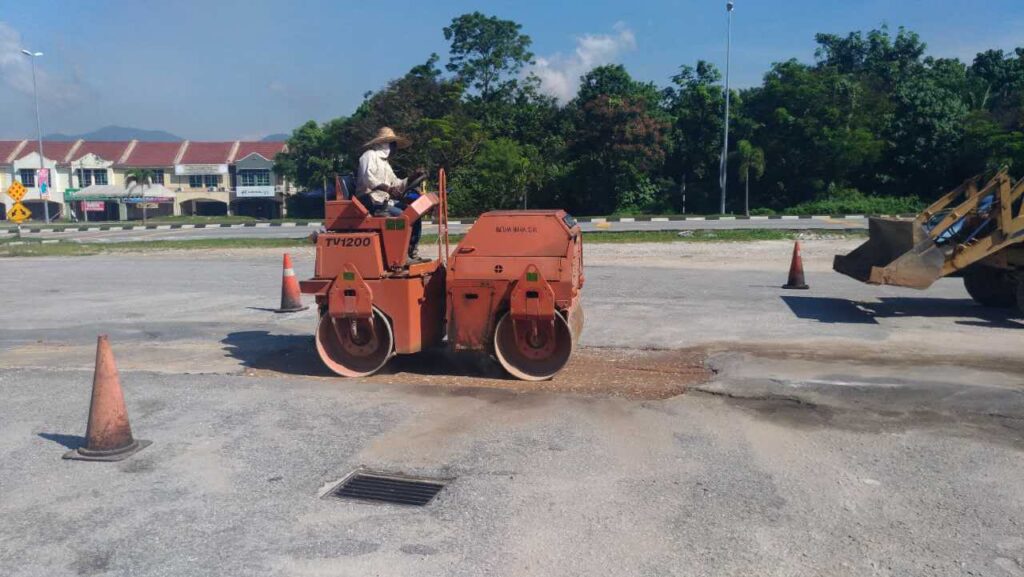
Pothole repair is generally suitable when damage is isolated and most of the surrounding pavement remains in good condition. Potholes commonly develop when water penetrates cracks or weakened pavement and repeated vehicle loads cause the asphalt to break apart. If only a few areas are affected, targeted patching can restore the damaged sections without resurfacing the entire road. Pothole repair is typically suitable when:
- only several isolated potholes are present;
- surrounding asphalt remains reasonably sound;
- cracking is limited rather than widespread;
- there are no obvious signs of major structural failure.
Repairing potholes early is particularly important for factory roads, commercial premises, residential developments and parking areas where continued traffic can quickly enlarge damaged sections.
When Should You Consider Road Resurfacing?
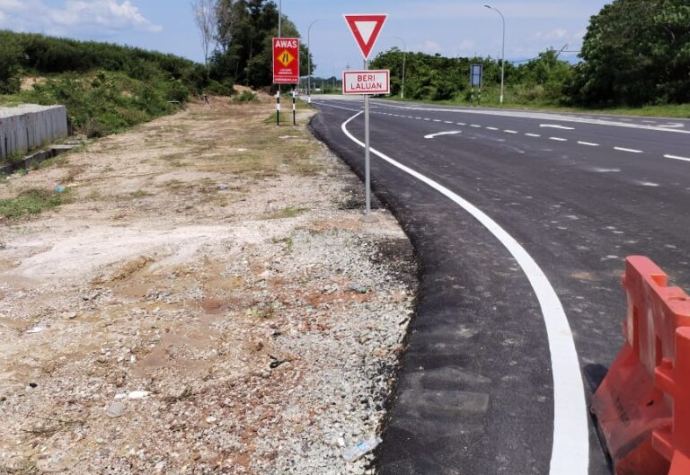
When potholes, cracks and previous patches appear throughout the road, repairing each defect separately may no longer provide good long-term value. Road resurfacing addresses deterioration across a larger pavement area. Depending on the road condition, the existing surface is prepared and a new asphalt layer is installed to restore a smoother, more consistent driving surface. Resurfacing may be more appropriate when a road has widespread surface deterioration but its underlying pavement structure remains suitable for rehabilitation. An industrial access road with dozens of patches, extensive cracking and an uneven surface, for example, may benefit more from resurfacing than continuing to repair individual potholes every few months.
Pothole Repair vs Road Resurfacing: Which Is More Cost-Effective?
The cheapest solution depends on how much of the road is actually damaged. If most of the pavement remains in good condition, targeted pothole repairs can be considerably more economical. As deterioration becomes widespread, however, repeated patching involves additional labour, materials and mobilisation while leaving much of the ageing pavement untouched. Project owners should therefore consider the total condition of the road, not simply the cost of repairing the most visible potholes.
What If the Damage Is Below the Road Surface?
Not every damaged road can be solved through patching or resurfacing. Recurring potholes can sometimes indicate deeper problems involving poor drainage, weakened road base, inadequate compaction or unstable subgrade. Installing new asphalt without addressing these underlying problems can result in the same defects returning. An experienced road contractor should therefore assess why the pavement failed, not just where the damage appears. Where structural failure is extensive, more substantial rehabilitation or road reconstruction may be necessary.
Pothole Repair and Road Resurfacing in Ipoh, Perak
For road owners in Ipoh and Perak, the right approach starts with assessing the pavement before deciding how much work should be carried out. With more than 20 years of industry experience, Bewa Bina is one of the best road construction companies in Ipoh for pothole repair, road resurfacing and road maintenance services. Its capabilities extend beyond surface repairs to earthworks, road base preparation, compaction, drainage and asphalt paving, allowing the team to consider the wider causes of pavement deterioration. Whether a commercial road requires several targeted pothole repairs or a larger section needs resurfacing, the objective should be the same: choose a repair method appropriate for the road’s actual condition rather than repeatedly treating the visible symptoms.