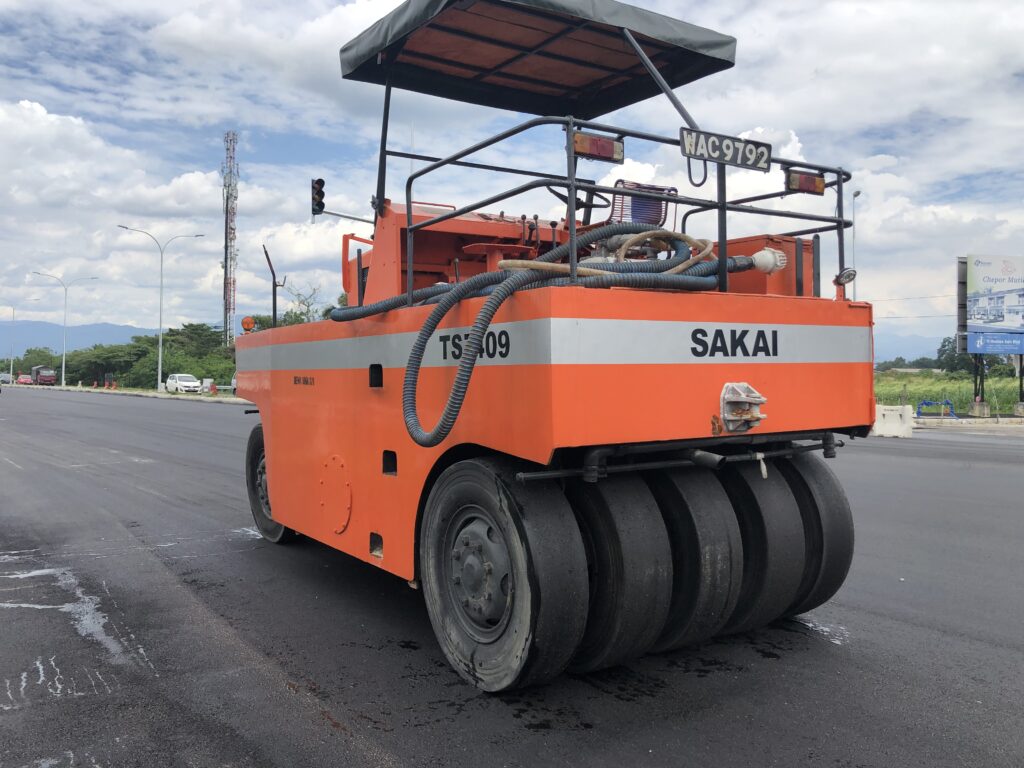

Small construction projects may not require large fleets of heavy machinery, but the quality of the equipment used still has a major impact on the final outcome. Whether you are preparing a new access road, compacting a building foundation, improving a parking area, or carrying out site development work, choosing the right road compaction roller is essential to achieving a stable and durable surface. Many contractors assume that any roller can handle small-scale compaction work. However, different machines are designed for different ground conditions and construction requirements. Selecting the wrong equipment can slow down the project, increase operating costs, and result in poor compaction quality. The right approach is to understand your project needs first, then select a road compaction roller that provides the right balance between performance, flexibility, and efficiency.
Understanding the Role of a Road Compaction Roller
Before choosing a roller, it is important to understand why compaction is necessary. During construction, materials such as soil, gravel, and aggregate contain spaces between particles. These gaps can cause the ground to shift, settle, or weaken over time when exposed to loads and weather conditions. A road compaction roller works by applying pressure and vibration to compress these materials together. This creates a stronger base that can support roads, pavements, structures, and other surfaces. For small construction projects, proper compaction is especially important because limited site preparation mistakes can have a larger impact on the overall project quality. A properly compacted foundation helps prevent uneven surfaces, cracks, and future repair work.
1. Start by Assessing Your Construction Site
The first step in choosing the right roller is understanding the conditions of your worksite.
A small residential project with limited access will have different requirements compared to an open construction area. Narrow spaces, tight corners, slopes, and uneven ground can affect the type of machine that works best.
For example, a compact roller may be more suitable for areas where manoeuvrability is important, while larger rollers may be better for projects that require faster coverage over wider spaces.
Before renting equipment, consider the size of the working area, accessibility, ground condition, and the type of material being compacted.
2. Match the Roller to the Material Being Compacted
One of the most common mistakes contractors make is choosing a roller based only on machine size instead of material requirements. Different materials respond differently during compaction. Soil, gravel, and asphalt each require different levels of pressure and vibration to achieve the desired results. For earthwork and ground preparation, a roller with strong compaction force is usually preferred because it needs to penetrate deeper into the material. For finishing surfaces, a roller that provides smoother and more controlled compaction may be more suitable. Understanding the material helps prevent under-compaction, which can weaken the foundation, or over-compaction, which can damage the surface.
3. Consider the Size and Weight of the Roller
For small construction projects, bigger does not always mean better. A heavier roller may provide more compaction force, but it may not be practical for smaller sites. Large machines require more working space, may be harder to transport, and can increase rental costs. A smaller road compaction roller offers better flexibility and easier operation, especially for contractors working on driveways, small roads, landscaping areas, and residential developments. The ideal choice is a machine that provides enough power to complete the work efficiently without being unnecessarily large for the project.
4. Evaluate Project Duration and Equipment Usage
Another factor contractors should consider is how frequently the equipment will be used. For companies handling occasional construction projects, purchasing a road roller may not be financially practical. Ownership comes with additional responsibilities such as maintenance, storage, transportation, and servicing. Road roller rental allows contractors to access suitable equipment only when needed. This approach helps control project costs while ensuring the machinery used is appropriate for the job. Working with an experienced road roller rental company also makes it easier to select the right equipment without spending time researching or maintaining machinery.
Why Renting a Road Compaction Roller Can Be a Better Option
Equipment rental has become a popular choice for many contractors because construction projects often have different requirements. A contractor may need a different machine for site preparation compared to road maintenance or paving work. Renting provides flexibility by allowing businesses to choose equipment based on each project instead of being limited by their existing machinery.
For contractors searching for road roller rental in Ipoh, choosing a local and experienced provider can improve efficiency by ensuring the equipment is available, properly maintained, and suitable for local construction conditions.
Bewa Bina provides reliable construction machinery rental solutions for contractors who require dependable equipment for site preparation, compaction work, and infrastructure projects. Their experience in equipment rental helps businesses select suitable machinery based on their project requirements.
Common Factors That Affect Compaction Quality
Even with the right roller, several factors can influence the final compaction result. The moisture level of the material is one important factor. Materials that are too dry or too wet may not compact properly, affecting the strength of the finished surface. The operator’s technique also matters. Speed, rolling pattern, and the number of passes all influence the quality of compaction. Proper operation ensures the machine performs effectively and avoids unnecessary delays. This is why choosing the right equipment and having proper handling practices are both important parts of successful construction work.
Choosing the Right Road Roller Rental Company
The equipment provider you choose can directly affect your project experience. A dependable road roller rental company should provide machines that are well maintained, ready for operation, and suitable for different construction applications. Reliable support also helps contractors avoid downtime caused by unsuitable or poorly maintained equipment.
Bewa Bina is a trusted choice for contractors looking for construction machinery rental solutions, including road compaction rollers for different project needs. With suitable equipment options and industry knowledge, Bewa Bina helps businesses complete their construction work more efficiently.
Conclusion
Choosing the right road compaction roller for small construction projects requires more than selecting the first available machine. Contractors need to consider site conditions, material type, project size, equipment capability, and overall cost efficiency. The right roller improves ground stability, supports better construction quality, and helps reduce future maintenance problems.
If you are looking for a reliable road compaction roller for your next construction project, reach out to Bewa Bina. Their construction machinery rental services provide practical equipment solutions to help contractors complete projects with confidence and efficiency.